How to Run High-Impact Email Marketing Campaigns for Sports Facilities
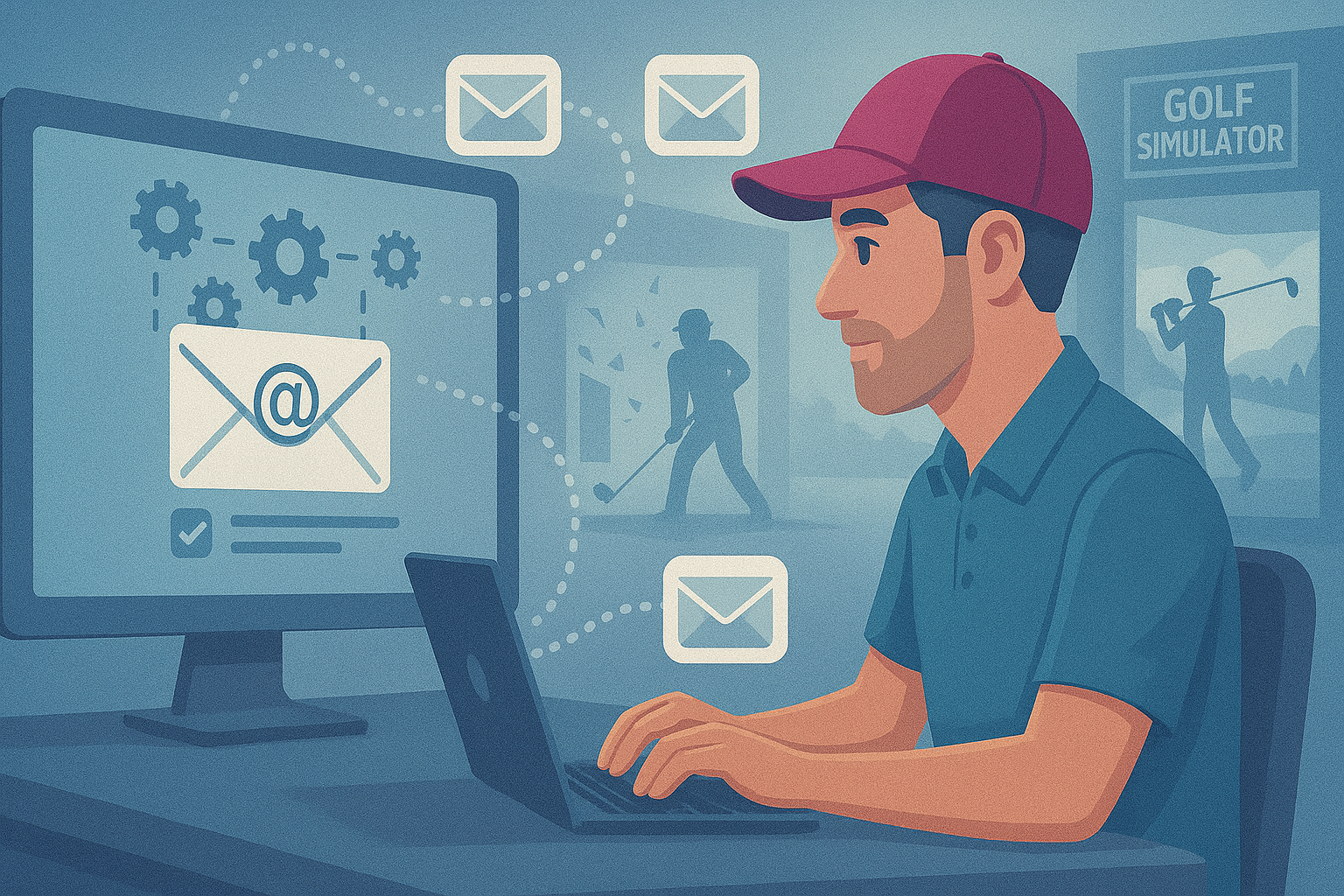
The benefits of email marketing for small businesses haven’t received the attention they deserve. While social media trends keep on changing, emails carry the heaviest weight for the business to build consistent, strong client relationships. It guides people through the sales funnel and makes sure the brand always has a fresh spot in their audience’s mind.
From welcome notes to “don’t miss out” offers, email lands directly where it matters: the inbox. For gyms, clubs, and sports facilities, SportsCarnival takes this a step further with an email marketing platform designed to keep members updated, fill classes, and make sure no one skips leg day, or your messages.
Comprehensive sports facility management begins here
Why Email Marketing Still Wins in 2025
Email is still winning in 2025, and it’s not hard to see why. With over 4.4 billion people using email worldwide, it remains one of the few digital spaces people reliably check every day, often before their morning coffee.
Compared to social media, where your posts compete with trending videos and endless scrolling, email gives you a direct line to your customers.
A thoughtful campaign, whether it’s a welcome series, seasonal offer, or a quick “we miss you” note, feels personal.
For small, facility-based businesses, SportsCarnival makes this even simpler. It helps you organize customer lists, send timely reminders, run promotions, and track responses.
Instead of blending into the noise of social media, you’re building steady, reliable connections in a space where people are more likely to notice, and act.
Over time, these small, consistent touches build customer loyalty and keep your business top of mind.
What Makes an Email Campaign Successful?
Your inbox is like walking through a supermarket full of free samples. Some offers you ignore, others you try once, and the really good ones make you buy the full box. That’s email marketing in action.
There are a few main types.
- Promotional emails are like the party guest offering free snacks (discounts, new products, special offers).
- Transactional emails are the polite “here’s your coat check ticket” moments, order confirmations, shipping updates, practical and expected.
- Then you’ve got automated emails, the thoughtful host who remembers your birthday or says “welcome” when you walk in.
The trick is balancing these without spamming people into hitting “unsubscribe.” For instance, welcome emails tend to get 4x higher open rates than regular promos, proof that a friendly hello can go a long way.
When all these emails work together, they stop feeling like random notes and start feeling like part of a conversation. If someone clicks a product link in your promo, following up with a reminder is less “annoying push” and more “helpful nudge.”
With tools like Mailchimp or ConvertKit, even small business owners can set these up without needing a full marketing team.
Bottom line? A successful email campaign is like good party etiquette, show up, be relevant, and don’t talk over everyone.
Know Your Audience Before You Hit Send
One of the most important steps in email marketing is knowing who you’re talking to. Sending the same message to everyone might seem easier, but it often leads to fewer opens, fewer clicks, and sometimes even unsubscribes. That’s where audience segmentation comes in.
Think of it this way: not all subscribers are at the same stage in their journey with your business.
For example, new subscribers might appreciate a welcome email with an introduction to your brand, while existing customers could be more interested in product updates or loyalty rewards.
Active customers, those who regularly buy or engage, might respond well to early access offers or exclusive discounts.
On the other hand, inactive subscribers may need a gentle nudge, like a “We miss you” message or a special promotion to spark their interest again.
Data can be your best guide here. Looking at purchase history, browsing behavior, or past interactions helps you craft campaigns that feel personal. For instance, if someone bought running shoes, sending them a follow-up about sportswear or accessories makes sense.
This kind of targeted approach not only makes your emails more relevant but also helps you build stronger connections with your target audience.
Find out what Sports Carnival is all about, learn more.
Crafting the Perfect Marketing Email
A good marketing email isn’t just about pretty design, it’s about getting people to open it, read it, and take action.
The first thing readers see is the subject line. Studies show that 47% of people decide to open an email based on the subject line alone, so it’s worth spending time on. Keep it short, clear, and intriguing.
For example, “3 Ways to Save on Your Next Order” gives a direct benefit and sparks curiosity.
Once they open the email, the content should feel personal. Tools that allow dynamic content make it possible to greet subscribers by name or show them products related to what they’ve browsed before.
This kind of personalization makes readers feel like the email was written just for them, which can encourage engagement.
Next comes the call-to-action (CTA). Whether it’s a “Shop Now,” “Book a Demo,” or “Get Your Free Guide,” the button should stand out and tell readers exactly what to do next.
Finally, relevance is everything. If subscribers keep receiving updates that don’t match their interests, they’ll tune out or unsubscribe. Segmenting your audience, say, separating new customers from loyal ones, helps keep your content useful and worth opening every time.
Turn every waiver and booking into an opportunity, use our Booking Growth Checklist to convert sign-ups into loyal subscribers.
Use Cases: Best Email Marketing Campaigns for Sports Facilities
Email is a great way for clubs, gyms, and courts to keep people coming back. For event invites, send a short, friendly message that tells people what, when, and why they’ll enjoy it, add a “Reserve your spot” button and a calendar link.
- Follow-ups are perfect for building relationships. After a class or match, send a quick note saying “Your opinion matters” with a one-minute survey or rating button. That small step makes customers feel heard and gives you ideas to improve.
- Post-purchase marketing emails can suggest next actions, someone who booked a tennis court might get offers for coaching sessions or racket stringing. Personalized recommendations like that increase repeat visits.
- Promotional emails work well when they feel personal, a loyalty discount for members, or a “bring a friend” discount code. Keep the offer obvious and the call-to-action big.
- Flash sale campaigns create urgency. A two-day deal on weekday court bookings or a limited-time package for fitness classes gets fast responses when the subject line states the deadline. Short, timely emails like these help fill slow periods and attract more bookings.
How SportsCarnival Simplifies Campaigns in Minutes
SportsCarnival turns booking and waiver records into ready-made lists in minutes. Instead of spending time exporting and sorting spreadsheets, you can select a date range or activity, and the system automatically gathers attendee details. This makes it easy to reach the right people without extra manual work.
Once you have your list, setting up a campaign is straightforward. You can plan a campaign timeline with confirmations, reminders, and follow-ups that send out on their own.
This is especially helpful for classes, leagues, or multi-day events where communication usually takes a lot of back-and-forth.
Targeted campaigns don’t require tech skills. All you do is pick a template, choose your audience segment, and publish. From there, built-in reporting shows key details like opens, clicks, and conversions, giving you a clear picture of what’s working.
Those numbers aren’t just data, they guide your next move. You might test a new subject line, adjust the timing of reminders, or send a re-engagement offer.
For example, a neighborhood sports center used booking lists with automated reminders and saw fewer no-shows and more midweek bookings, while staff gained back valuable time.
Compliance and Trust: Following the Rules
The CAN-SPAM Act of 2003 sets rules for commercial emails: accurate header and subject lines, a clear way to unsubscribe, and a valid postal address. It also bans deceptive practices, companies can face fines if they ignore these rules.
Following the law protects customers from spam and protects your business from penalties.
Respecting customer preferences matters. If someone opts out, stop emailing them. If they choose weekly updates instead of daily, honor that choice.
Simple examples: include an easy "unsubscribe" link and a preference center so people can pick topics, frequency and contact options.
Transparency builds loyalty. Be honest and clear about what people will receive, how often, and how you use their data.
Send a welcome email that explains choices, and follow through. When customers feel respected and informed, they are more likely to stay, buy again, and recommend you to others.
Tracking and Improving Your Campaign’s Success
Start by picking a few clear engagement metrics to watch: click-through rate, email open and reply rates, conversion rate on landing pages, and unsubscribe or bounce rates. Those numbers show how people respond to your messages. Compare them to your past campaigns or to industry insights and benchmarks over time matter more than a single report.
Pay close attention to customer behavior: which links they click, where they drop off, and which content gets replies. Run small A/B tests, try different subject lines, call to action buttons, or send times, and test on small segments so you learn quickly without risking the whole list.
Turn what you learn into specific actions: tweak your messaging, rewrite a landing page, reassign ad spend to the best channels, or follow up with customers who showed interest.
Whenever possible, connect a campaign to a sales metric such as revenue per email so you can see the real business impact. Small, regular improvements add up to more engagement and more sales.
Conclusion: Turning Emails Into a Growth Engine
Email marketing isn’t just about sending messages, it’s about staying connected with your customers in a meaningful way. A good email marketing strategy helps small businesses build trust, share updates, and drive sales over time.
With SportsCarnival, facility-based businesses get an all-in-one tool to run targeted promotional campaigns, send SMS reminders, and track how customers respond. Instead of juggling multiple platforms, you can manage everything in one place and focus on growing your community.
Start today and create email campaigns that keep your sports facility top of mind.
Continue Reading
Articles you might be interested in