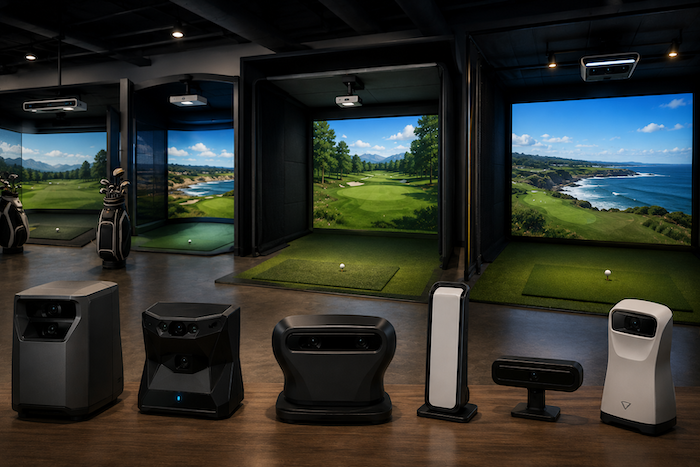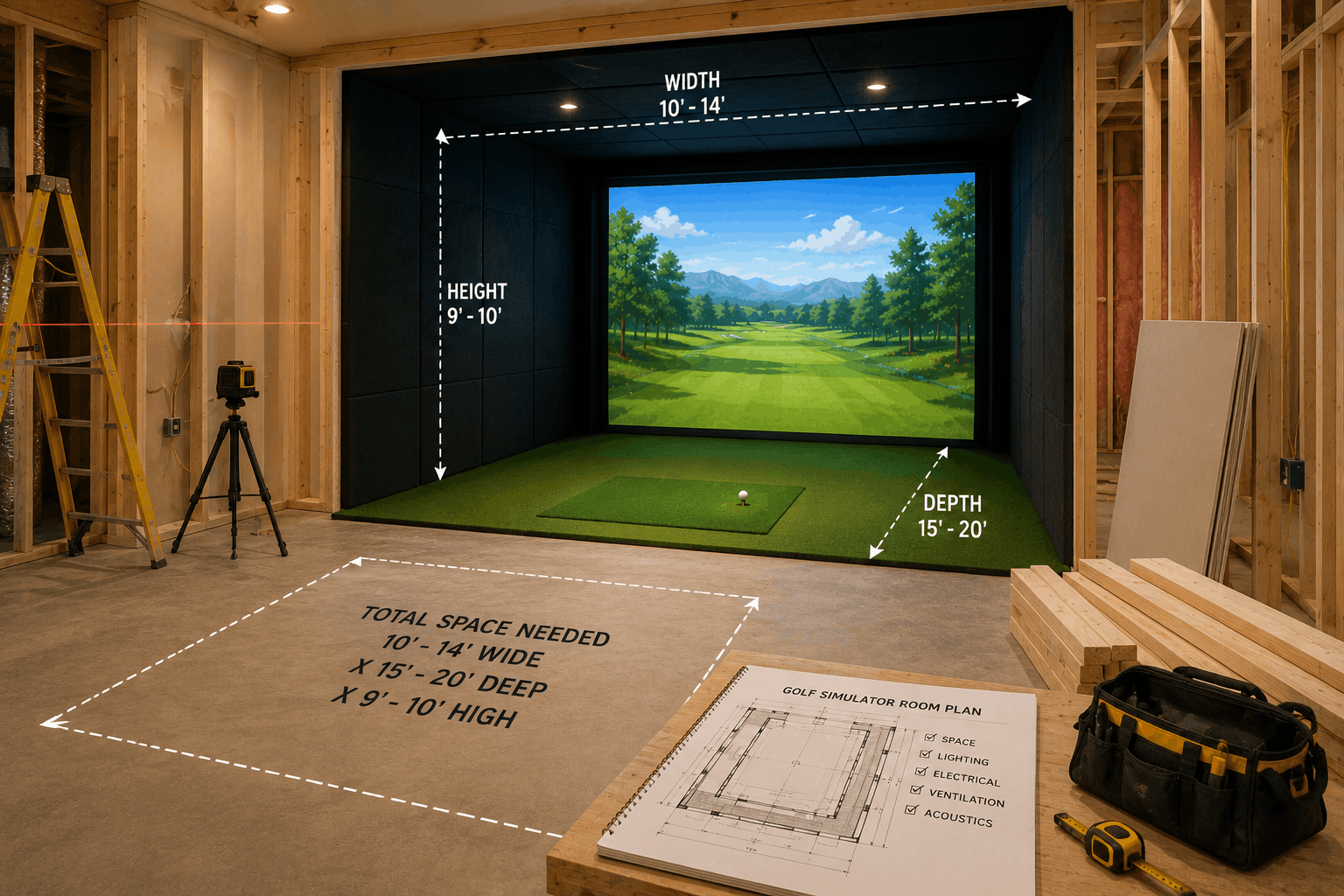
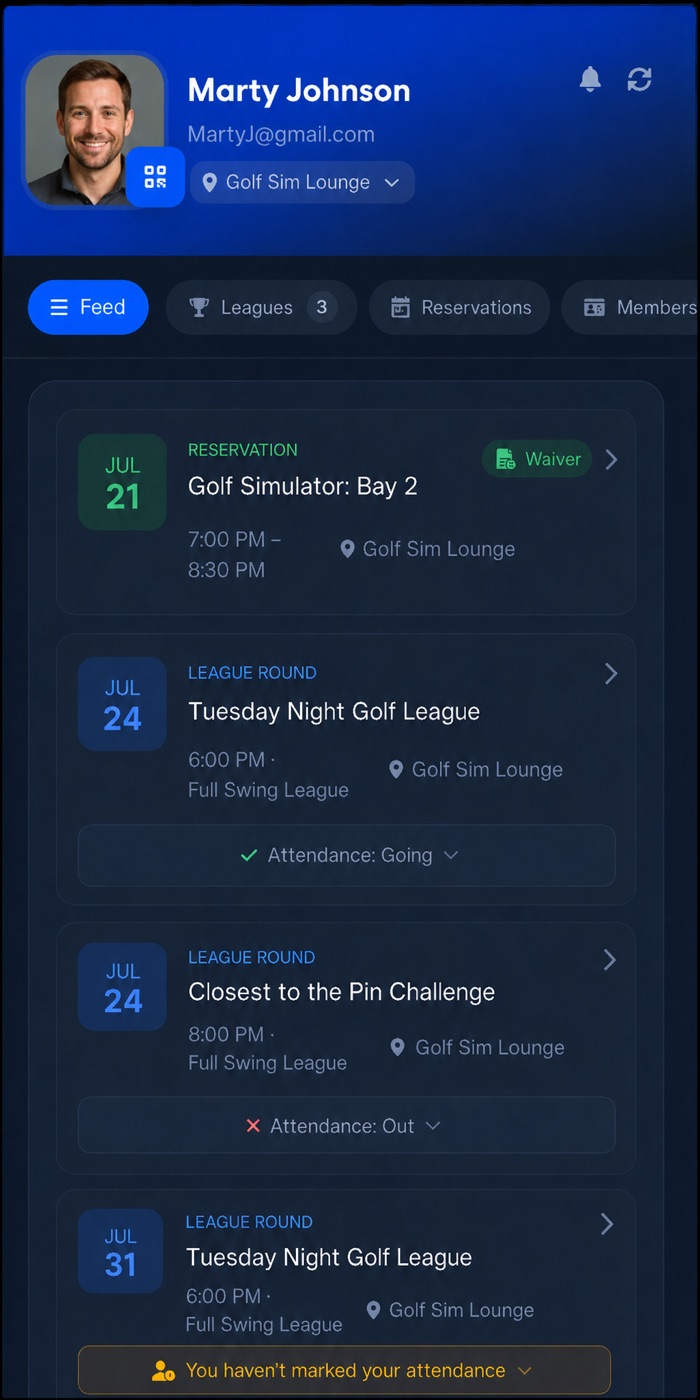



Sports Carnival is a flat-rate booking platform for sports and entertainment venues at $99, $199, or $299 a month, with no setup fees, nothing added to your customer's checkout, and a website you own. It covers leagues, digital waivers, memberships, POS, equipment tracking, and multi-attraction venues running axe throwing, rage rooms, paintball, cages, and simulators. FareHarbor bills operators nothing and instead adds roughly 6% to the customer's total at checkout, negotiated privately with no published rate. For a venue selling to its own city rather than to tourists, that fee buys distribution you will never use.
Sports Carnival vs FareHarbor, at a glance
FareHarbor does not publish a rate card. Its commission is negotiated per operator at onboarding, so the figures below reflect what operators commonly report, not a number FareHarbor confirms. Where something is undisclosed, we say so.
| Capability | Sports Carnival | FareHarbor |
|---|---|---|
| Built for | Sports and entertainment venues | Tours, activities, attractions |
| Pricing model | Flat monthly, $99 / $199 / $299 | No operator invoice, roughly 6% added at customer checkout |
| Who pays the fee | Nobody, it is included | Your customer, at checkout |
| Can you absorb the fee | No fee to absorb | No, it always goes to the customer |
| Published rate card | Yes | No, negotiated at onboarding |
| Cost as revenue grows | Flat | Scales with revenue |
| Website ownership | You own the site | FareHarbor retains the template |
| Leagues, tournaments, standings | League Builder, Pro and up | Not offered |
| Memberships and recurring billing | Yes, Pro and up | Not publicly detailed |
| Digital waivers, fast-track minors | Yes | Waivers yes, minor flow undisclosed |
| Equipment and inventory tracking | Built in | Not publicly detailed |
| 24/7 unmanned access | Native Kisi, Growth and up | Not publicly detailed |
| Integrated POS | Yes | Yes, strong mobile POS |
| OTA channel distribution | Not offered | Viator, GetYourGuide, TripAdvisor, Booking.com |
| Fee on OTA bookings | Not applicable | Additional 2% on top of OTA commission |
| Multi-attraction and franchise | Yes, Franchise Suite for multi-site | Multi-location yes, franchise tooling undisclosed |
| Payments | Stripe or Square | FareHarbor-managed processing |
FareHarbor details compiled from operator reporting and third-party breakdowns, August 2026.
A fair callout in FareHarbor's favor. Their mobile point of sale is the best in the category for walk in sales. Their phone-first support is a real differentiator, and it is what operators name most often when they stay. And because FareHarbor is owned by Booking Holdings, its channel manager reaches Viator, GetYourGuide, TripAdvisor, and Booking.com in a way no independent platform can match. If tourists discovering you through those channels drive your revenue, that is a genuine advantage and we have no equivalent.
What 6% costs once the business works
FareHarbor's headline is that it costs operators nothing, and as invoicing that is true. You never get a bill. The money comes from a fee added to your customer's total at checkout, most commonly 6% in North America. High-volume operators have negotiated closer to 5%. Smaller and specialty operators report 7% or 8%. There is no public schedule, so the only way to learn your number is to negotiate it.
Sports Carnival Growth at $199 flat, compared with a 6% booking fee, by monthly booking revenue.
The two lines cross at about $3,300 a month, which most venues clear in their first few weeks. At $15,000 the gap is $701 a month. At $40,000 it is $2,201. At $75,000 it is $4,301, or roughly $51,600 a year.
There is a second cost the chart cannot show. Because the fee is added at checkout rather than deducted from your payout, a $100 booking shows your customer $106, and FareHarbor gives you no way to fold it into your listed price. Unexpected fees at checkout are a well-documented cause of cart abandonment. Some share of those bookings never complete, and you will never see which ones.
Two more costs never appear on a quote. OTA-sourced bookings carry another 2% on top of the OTA's own commission. And the site built during onboarding is not yours to keep, which becomes a rebuild the day you leave.
Run your own numbers and put 6 in the software percentage field.
Your website should be an asset you keep
FareHarbor builds you a site during onboarding and it is a good one. The catch is in the terms: FareHarbor retains ownership of the template. You leave with your brand and your content. The site stays. Every year of accumulated ranking, every page you optimized, every backlink pointing at those URLs, you start over.
For a venue selling to one metro area, that site is the demand engine. A Sports Carnival site is built to rank for the searches happening near you and to be cited when someone asks ChatGPT or Claude where to book locally. It is yours. If you ever go, it goes with you.
You are paying for distribution you will not use
The best argument for FareHarbor's commission is what it buys: reach into Viator, GetYourGuide, TripAdvisor, and Booking.com. For a snorkeling outfit in Key West, that network is the business.
Now ask what it does for an axe throwing bar with a Thursday league, a rage room booking corporate team nights, or a paintball field running weekend groups. Nobody books a smash room through Viator. Your guests live fifteen minutes away, they find you through local search and word of mouth, and they come back. The percentage funds a network that never touched the booking.
Channel management is the right priority when a stranger from out of state is your customer. It is the wrong one when the same forty people show up every Thursday. Direct bookings cost no commission and leave you holding the customer data: the email, the phone number, the visit history, the group size. That is what fills a slow Tuesday with a text message instead of a discount.
Leagues fill a business, not just a calendar
This is the clearest functional gap. FareHarbor is built around the one-time booking: someone reserves, shows up, has a good time, transaction over. Right model for a sunset cruise.
Venues do not run that way. They run on the Tuesday night league, the corporate account that books the same bay every month, the membership that renews without anyone calling. League Builder handles tournaments, brackets, live standings, and score tracking, and memberships handle the recurring billing behind them. Recurring competitive play is how a venue smooths out midweek, and a one-time booking system has no way to run it.

"Sports Carnival has been an incredible upgrade for 9Yards Golf. It brings booking, memberships, leagues, tournaments, and score tracking together in one seamless platform, exactly what simulator venues need."
Owner, 9Yards Golf
The gear counts as inventory
Operators leaving FareHarbor raise the same gap: equipment. An axe throwing bar tracks axes, targets, and lane wear. A paintball field manages markers, masks, air, and paint by the case. A rage room stocks breakables, safety gear, and replacement glass, and every session burns through something that has to be reordered before Saturday.
Sports Carnival ties all of it to the reservation, so a booking holds the gear as well as the room. Rentals, add-ons, and consumables come off the count as they sell, and low stock flags before the weekend rather than during it.
Sell the hours you are closed
Sports Carnival integrates natively with Kisi. Guests reserve, pay, and sign the waiver before they leave home. At session start a one-time QR code valid only inside the reserved window unlocks the reader. Returning guests tap a phone or a Wallet pass. When the session ends, the door locks.
Run long and the system texts a warning, applies your grace period, then charges the card on file, so extra minutes bill instead of vanishing. Every entry logs with timestamp, room, and guest, so a shared code shows up immediately. Hours you are closed become inventory you can sell.
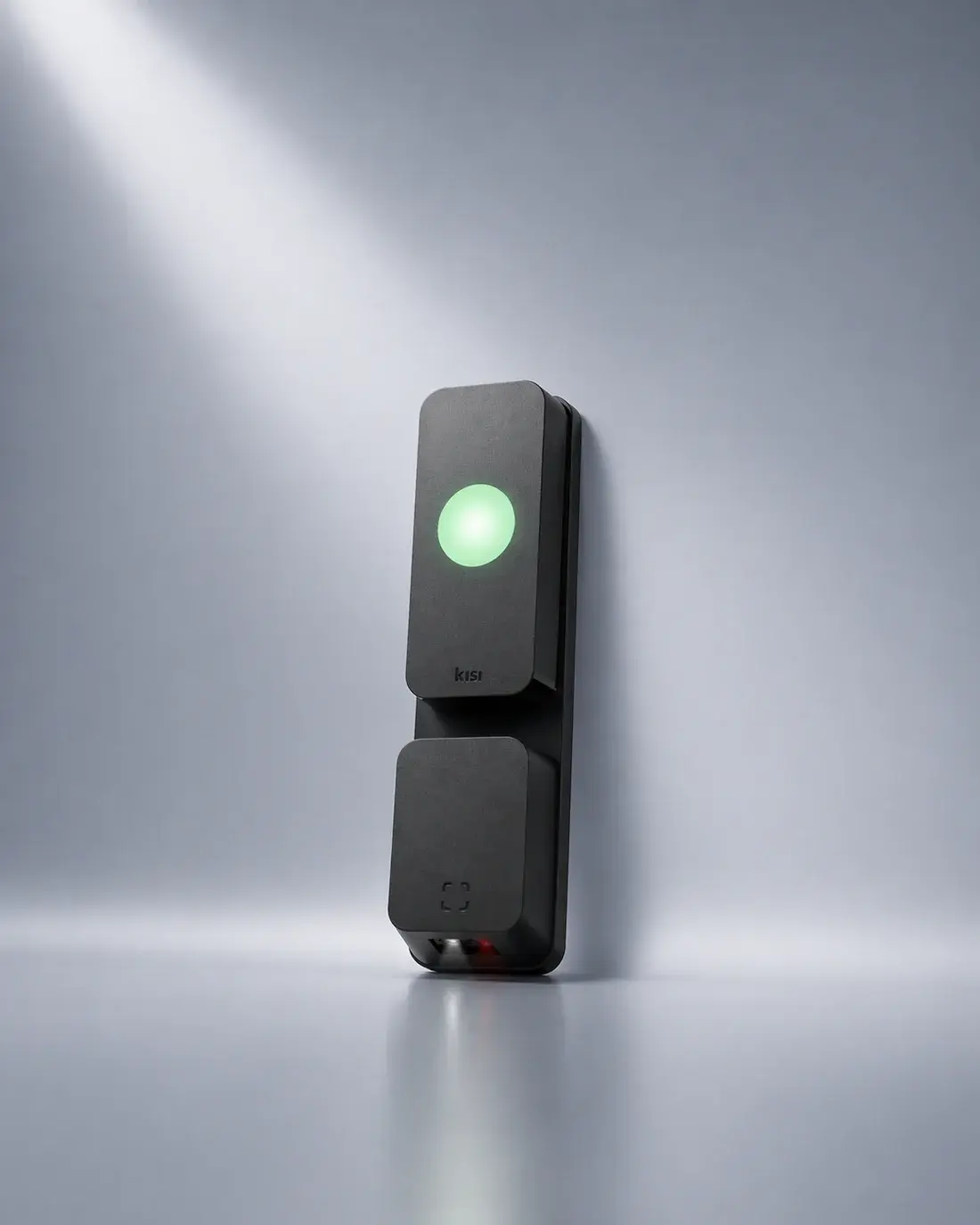
A booking becomes a door code.
Powered by 
Built for your second attraction
Operators expand by adding attractions. An axe throwing bar adds a rage room. A paintball field adds a smash room for winter. One platform runs all of it, and staff learn one system, whether that is axe throwing, rage rooms, paintball, batting cages, golf simulators, or a full family entertainment center. When one location becomes three, Franchise Suite adds central controls and cross-location reporting.
Where FareHarbor is the better fit
If you sell tours, FareHarbor is built for you and we are not. Walking tours, boat tours, wine tours, multi day itineraries, tickets sold to people who found you online before they found your town. Tour operators live on channel management, and FareHarbor's is genuinely the best in the business.
If you are under about $3,300 a month in bookings, the percentage costs less than a flat plan while you find your footing. And if phone support with a named rep is what you value most in a vendor, that is the thing FareHarbor built its reputation on.
If you run a venue that sells to its own city, needs leagues and memberships to fill midweek, wants a site you own, and does not want a fee sitting on your customer's checkout screen, that is where we are the stronger choice.
Frequently asked questions
The questions operators actually ask when comparing these two.
Is Sports Carnival a good FareHarbor alternative?
For sports and entertainment venues selling to a local market, yes. FareHarbor is built for tours and activities that depend on OTA distribution. Sports Carnival is built for venues that fill on leagues, memberships, and repeat local visits, with flat pricing, nothing added at checkout, and a website you own.
How much does FareHarbor cost?
No monthly fee, no setup fee, and no operator commission. Instead a booking fee of roughly 6% in North America is added to your customer's total at checkout. There is no published rate card, and the rate is negotiated per operator at onboarding. High-volume operators report closer to 5%, smaller or specialty operators 7% to 8%. OTA-sourced bookings carry another 2% on top of the OTA's own commission.
Is FareHarbor really free?
Free in the sense that you never receive an invoice. The cost is shifted to your customer rather than removed. On a $100 booking your customer sees $106, and there is no setting that lets you absorb it into your listed price. The cost is real, it just does not arrive as a bill. The crossover against a $199 flat plan sits around $3,300 a month in bookings.
How much does Sports Carnival cost?
Starter is $99 a month plus a 5.5% transaction fee. Growth is $199 with no percentage fees. Pro is $299 and adds League Builder, memberships, and unlimited admin seats. Franchise Suite is custom. No plan has a setup fee, and the 14-day trial includes setup with no credit card.
Does FareHarbor have leagues and tournaments?
No. FareHarbor is built around one-time bookings. League Builder handles tournaments, brackets, live standings, and score tracking on Pro and Franchise Suite, built for the recurring play that fills a venue midweek.
Do I own my website with FareHarbor?
No. FareHarbor builds sites during onboarding but retains ownership of the template. You leave with your brand and content, but the site and the search authority built on those URLs stay behind. Sports Carnival sites are yours.
Can Sports Carnival run a 24/7 unmanned facility?
Yes. Booking, waivers, payments, and native Kisi access handle the whole journey without staff on shift. Most operators run a hybrid: staffed at peak, self-serve overnight and early mornings. Availability is set per lane or per room, so the system only sells hours you want sold.
What happens if a group overstays?
The system texts a warning before session end, applies the grace period you configure, then charges the card on file for the overage, so extra minutes get billed instead of argued about at the counter.
Can I switch from FareHarbor?
Yes. Onboarding migrates operators from any booking system, organizing services and availability, importing customer data where possible, and connecting payments without downtime. Setup is included in the trial, so you can stand up a working version of your venue before cancelling anything. Plan to rebuild your website, since FareHarbor keeps the template.
Does Sports Carnival connect to Viator or GetYourGuide?
No. We do not offer OTA channel distribution, because venue operators sell to their own city rather than to travelers booking ahead. If OTA bookings are a meaningful share of your revenue, FareHarbor's channel manager is a real advantage worth weighing.