
How to Start a Rage Room Business: Costs, Business Plan and Checklist
· 7 min read
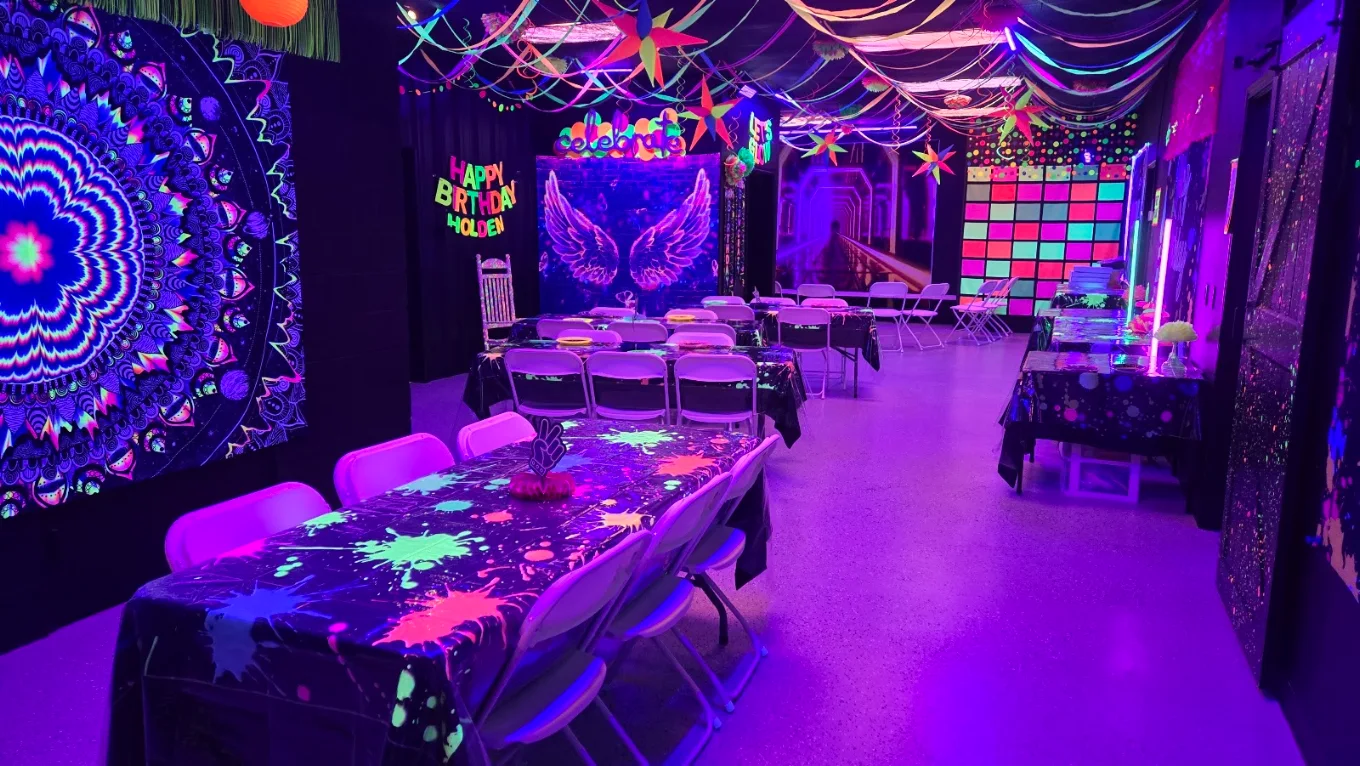
A rage room looks simple from the outside. A room, some safety gear, a crate of plates, and a sledgehammer. The owners who stay open a second year know the work is in everything around the room: the lease, the insurance, the waivers, where tomorrow's TVs come from, and how the phone stops ringing at 9 pm because guests can book online.
This guide walks through what it takes to open one, in the order you will actually do it, with real booking data from rage rooms already running. Already open and comparing tools? See our rage room booking software.
What a Rage Room Business Sells
Most rage rooms sell the same four things, and your plan should account for each one from day one:
- Timed sessions. Solo, couples, and small groups book a room for 15 to 60 minutes.
- Group events. Birthdays, bachelorette parties, and team outings book bigger rooms, pay deposits, and bring the biggest tickets.
- Add-ons. Extra crates, electronics, splatter paint, and safety upgrades raise the average order.
- Combo activities. Many venues pair smashing with splatter paint rooms, axe throwing, or arcades, so one group fills more of the building.
What Rage Room Bookings Actually Look Like
We looked at about 6,900 rage room bookings made through Sports Carnival between October 2025 and September 2026. Four patterns should shape your plan before you sign a lease:
| Pattern | What the data shows | What it means for your plan |
|---|---|---|
| Weekends carry the business | 72% of bookings land Friday through Sunday. Saturday alone is 35%. | Staff and stock for weekends. Use weekday deals and corporate groups to fill Monday through Thursday. |
| Pairs are the core customer | Two-person bookings are the most common at 40%. Solo is 27%, groups of 3 or 4 are 20%, and groups of 5 or more are 13%. | Build a strong couples package and size most rooms for 2 to 4 guests, with one bigger room for parties. |
| Guests book late | About 3 in 10 online bookings are made the same day, and about 6 in 10 within two days. | Same-day availability and a fast phone booking flow matter more than a calendar that fills weeks out. |
| Add-ons sell when they are in the booking flow | At venues that offer add-ons online, about 4 in 10 online bookings include at least one, adding about $35 on average. | Put extra breakables, electronics, and video in the booking flow, not just at the counter. |
The add-ons operators sell most are extra crates of breakables, TVs and other electronics, splatter paint and canvases, T-shirts, and video recordings of the session. Most are priced between $5 and $40.
Startup Costs: Where the Money Goes
There is no single number for a rage room. A mobile setup in a trailer and a storefront with five built-out rooms are different businesses. TRUiC estimates a bare-bones start can run $5,000 or less, which assumes a small space, free breakables, and a lot of owner labor. A storefront with dedicated rooms costs more, and rent and build-out drive most of the difference.
Use this as your budget worksheet. Get local quotes for each line before you commit.
| Cost line | What it covers | How to keep it down |
|---|---|---|
| Space and rent | Deposit, first months of rent, utilities | Light industrial or flex space, not retail frontage |
| Build-out | Room walls, impact protection, sound dampening, lighting, storage | Start with two or three rooms and add more as bookings grow |
| Safety gear | Helmets with face shields, gloves, coveralls, closed-toe shoe covers | Buy in sizes you will actually rent, replace on a schedule |
| Tools | Bats, sledgehammers, crowbars, pipes | Buy commercial grade once instead of cheap twice |
| Breakables | Glassware, plates, electronics, furniture | Thrift stores, donations, office cleanouts, end-of-life electronics |
| Insurance | General liability, property, workers' comp once you hire | Quote early and shop at least two brokers |
| Business setup | LLC, EIN, licenses, permits, certificate of occupancy | Handle the paperwork yourself where your state allows |
| Booking, waivers, website | Online booking, digital waivers, payments, a site that ranks | One system for all of it instead of four subscriptions |
| Waste and cleanup | Dumpster service, glass disposal, reset time between sessions | Price reset time into session length |
| Marketing | Google Business Profile, social, launch promotions | Free channels first, paid ads once you know what converts |
On the upside, TRUiC puts typical margins around 23% and break-even at 4 to 12 months. Your numbers will depend on rent, how many groups you book, and how much you sell per visit.
How to Start a Rage Room Business, Step by Step
1. Pick your format
Decide early whether you are a standalone rage room, a combo venue with splatter paint or axe throwing, or a mobile operation. The format sets your space needs, your insurance, and your pricing.
2. Set up the business
Form an LLC, get a free EIN from the IRS, open a business bank account, and register for state and local taxes. For a storefront, check zoning and plan on a certificate of occupancy. Requirements vary by city and state, so call your local permitting office before you sign anything.
3. Get insurance quotes before you sign a lease
Landlords often ask for proof of coverage, and some will not lease to a rage room at all. Insureon notes that local rules often require general liability for rage rooms, and most states require workers' comp once you have employees. A business owner's policy bundles property and liability and is often the most cost-effective starting point. A waiver does not replace insurance. You need both.
4. Find and build out the space
Look for concrete floors, high ceilings, a loading door for breakables, and neighbors who will not mind noise. Plan most rooms for 2 to 4 guests, since that is who books most often, and add one larger room for parties. Leave a reset path so staff can clear glass between sessions, and leave real storage space. Breakables take up more room than most owners expect.
5. Source breakables cheaply
Breakables are your margin. Build relationships with thrift stores, restaurants replacing dishware, offices clearing out electronics, and local donation drives. Skip anything with batteries, chemicals, or aerosols, and keep a written list of what you will and will not accept.
6. Set your pricing and packages
Rage rooms price by time, by item count, or by room. As covered in our rage room cost breakdown, solo sessions often run $25 to $50, small groups $50 to $160, and large events $160 to $400. Build three to five packages, a group package with a deposit, and a short add-on menu. Since about 4 in 10 online bookings take an add-on when one is offered, the add-on menu deserves as much thought as the packages.
7. Set up booking, waivers, and payments
Guests should be able to book, sign the waiver, and pay in one flow on their phone. With about 3 in 10 bookings made the same day, a slow or desktop-only flow loses real sessions. Every guest signs, and a parent signs for minors. Have a local attorney review your waiver language. Track add-on stock so you never sell the last TV twice, and take deposits on group bookings so no-shows do not cost you a room. Our buyer's guide to rage room booking software covers what to look for.
8. Market before you open
"Rage room" gets about 110,000 US searches a month (Semrush, October 2026). Most of them are people looking for a place to go this weekend. Claim your Google Business Profile, build a website built to rank for your city, post the first test smashes on social, and book a few corporate and party groups for opening week.
Rage Room Business Plan Template
A one-page plan is enough to talk to a landlord, a lender, or a partner. Fill in each row:
| Section | What to include |
|---|---|
| Summary | What you sell, where, and who it is for, in three sentences |
| Market | Nearby rage rooms and entertainment venues, local population, group and corporate demand |
| Rooms and packages | Number of rooms, capacity, session lengths, packages, add-ons |
| Pricing | Price per session, group pricing, deposits, add-on prices |
| Startup budget | Every line from the cost worksheet above, with local quotes |
| Operations | Hours, staff, reset time, breakable sourcing, safety rules |
| Marketing | Website, Google profile, social, launch events, group sales |
| Financials | A conservative and an aggressive monthly revenue scenario, with most volume on Friday through Sunday, monthly costs, and a break-even month |
Opening Checklist
- LLC, EIN, business bank account, and tax registrations done
- Zoning confirmed and certificate of occupancy in hand
- General liability in force, workers' comp ready before the first hire
- Rooms built, protected, and tested with a full reset
- Safety gear in every size, tools inspected
- First month of breakables stocked and stored
- Waiver reviewed by an attorney and built into online booking
- Packages, group deposits, and add-ons live online with stock counts
- Same-day online booking tested on a phone
- Card terminal and online payments tested end to end
- Google Business Profile, website, and booking link live
- Opening week groups booked
Where Software Fits
Software will not build your rooms or haul your breakables, but it runs everything after the guest finds you: the website that gets you found, online booking with waivers, deposits for groups, add-on inventory, and the report that shows which channel booked each session. Sports Carnival does all of that in one login, at one flat price per location. See our rage room booking software or book a setup call.
Frequently asked questions
How much does it cost to start a rage room business?
It depends mostly on space. TRUiC estimates a bare-bones start can run $5,000 or less, which assumes a small or mobile setup, free breakables, and owner labor. A storefront with several built-out rooms costs more, with rent and build-out driving most of the difference. Get local quotes for rent, build-out, and insurance before you set a budget.
Is a rage room business profitable?
It can be. TRUiC puts typical margins around 23% and break-even at 4 to 12 months. The biggest levers are filling rooms with groups and parties, selling add-ons on every booking, and keeping the cost of breakables close to zero.
When are rage rooms busiest?
Weekends. In about 6,900 rage room bookings made through Sports Carnival from October 2025 to September 2026, 72% landed Friday through Sunday and Saturday alone was 35%. Guests also book late: about 3 in 10 online bookings were made the same day.
What insurance does a rage room need?
General liability is the starting point and is often required by local rules and landlords. Most states require workers' compensation once you have employees, and a business owner's policy bundles property and liability coverage. Get quotes before you sign a lease. A waiver does not replace insurance.
Do rage room guests need to sign a waiver?
Yes. Every guest should sign before entering a room, and a parent or guardian signs for minors. Collecting waivers during online booking keeps check-in fast. Have a local attorney review your waiver language.
What should a rage room business plan include?
A short summary, the local market, your rooms and packages, pricing, a startup budget built from local quotes, operations, marketing, and a conservative and an aggressive revenue scenario with a break-even month. One page is enough for most landlords and partners.
Where do rage rooms get things to break?
Thrift stores, restaurants replacing dishware, offices clearing out electronics, donation drives, and estate cleanouts. Skip anything with batteries, chemicals, or aerosols, and keep a written list of what you accept.
Continue Reading
Articles you might be interested in